Hi everyone! We’re looking into automating some basic cell culture processes such as splitting/ expansion, lipofection, cherry picking. 384wp, 96wp, 24wp (deep versions too). It has to be small enough to fit in a standard hood, we do not have the money or space for a dedicated big robot hood or a biobubble option. Was looking into the OT-2, or agilent bravo? any ideas? Thanks!
3 Likes
Hey Robo! Been a while since I got to play robot matchmaker, a few questions:
What are the dimensions (or model) of your reagent prep hood? Based on ones i’ve seen the Bravo might be too large.
Do you need stamping functionality (pipettes 96 or 384 wells at once) or is a span-8 (1-8 wells at once) okay?
What is the required volume range?
Are you looking for full automation or are manual steps (loading new tip boxes, moving the plate, etc.) okay?
1 Like
I don’t think any of the main liquid handling robots can fit inside a tissue culture hood, but the microlab prep actually has a HEPA fan module that you can buy. It has a few other advantages like the same CO-RE II channels as the STAR and an overhead camera, as well as plate movement with the CO-RE paddles. No 96-channel head though like what the OT flex has.
Bravo is only useful if you’re only doing 96-channel transfers, it doesn’t have a single channel or eight channel pipettor.
2 Likes
If it doesn’t physically need to be in a biosafety hood, then I second the Microlab Prep with the HEPA module. It’s just an all-around great little instrument with robust hardware and a ton of versatility due to its volume range and independent channels. Beginner friendly too.
2 Likes
You can pick up a single tip with the 96/384 well heads, it’s just really slow! It can also pick up a row or column of tips if needed. However, the Bravo doesn’t really excel at either of these and something with 8 independent channels would be far better suited.
3 Likes
If you’re okay with manual interventions when needing to change between single and multi-channel pipettes, I’d take a look at the Integra Assist Plus. They fit nicely inside a hood and are pretty affordable.
1 Like
we’ve looked into this, but yes, we have (for health and safety reasons) to have a robot physically in a class 2 hood… Otheriwse, yes the microlab ticks all boxes!
yes I agree on that.. It’s great for HT assays, and yes the occasional hit picking.
1 Like
that’s not a bad idea. I see it can have the head with adjustable span for cherry picking too. Yes we don’t mind manual intetervention, we know that a fully auto system would need to be big, expensive and heavy.
Hamilton does offer a kit that allows you to remove the outer enclosure of the Prep, with an extention harness for the touch screen, specifically with the purposes of being able to be put it into a fume hood. Just need to check clearance heights and such.
So the HEPA/UV Prep CAP is great if it needs to be standalone, or the kit is available if you want to use your existing setup.
3 Likes
If the Microlab Prep can’t fit in your hood due to depth, then the Microlab Nimbus 96 (open configuration) might be able to. If it can do single tip pickups with the 96 head, then you can perform your stamping/reformatting and cherrypicking processes across a wide volume range.
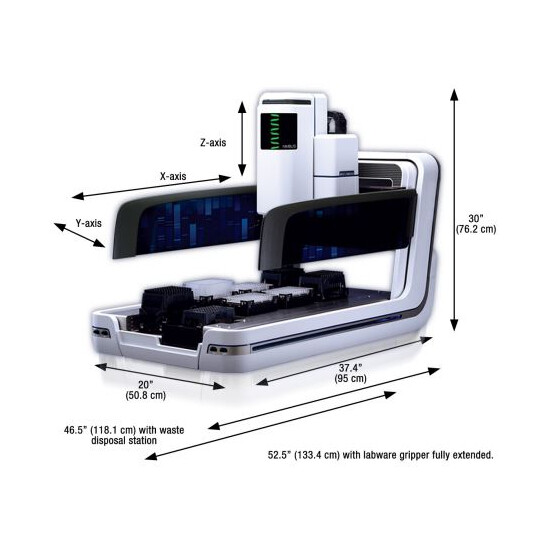
However, i’m not sure how much space your BSC has. Here’s an example of the instrument in a Labconco Purifier BSC. Its too tall for that particular model and the depth is incompatible by 1 inch due to the BSCs raised front section but it’s in the ballpark and a slightly larger BSC could accomodate it. Monitor could be outside the hood.
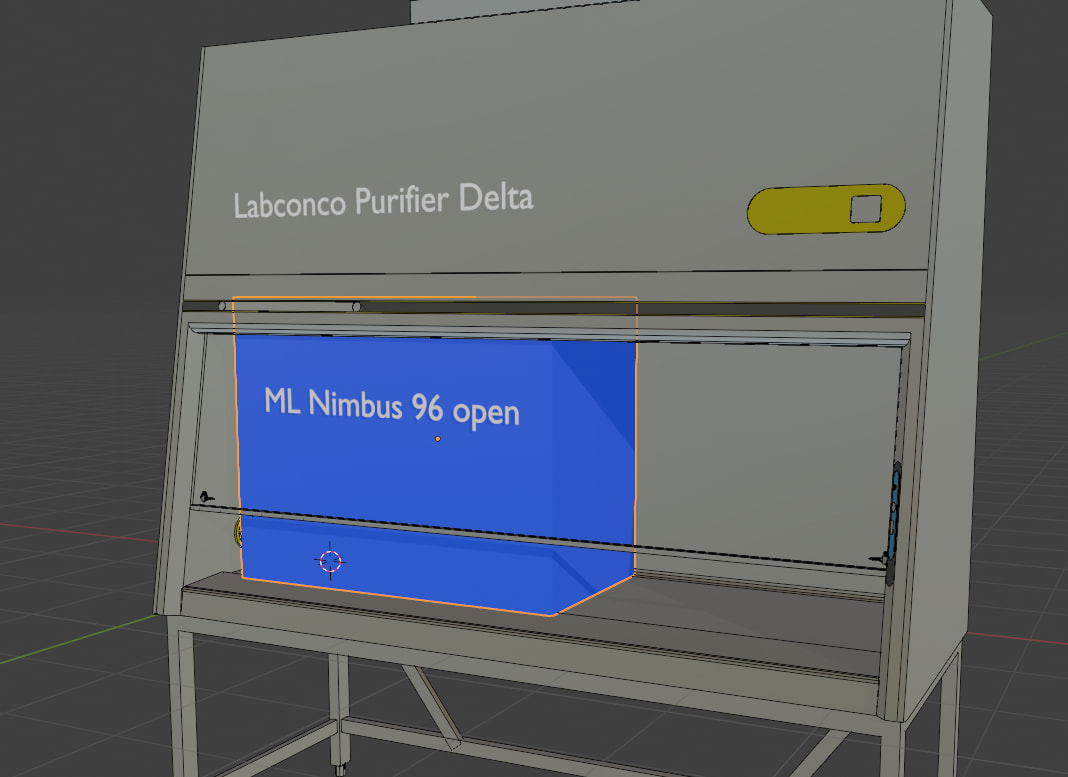
Of course, it’s rather large and might be overkill for your intended use-case.
1 Like
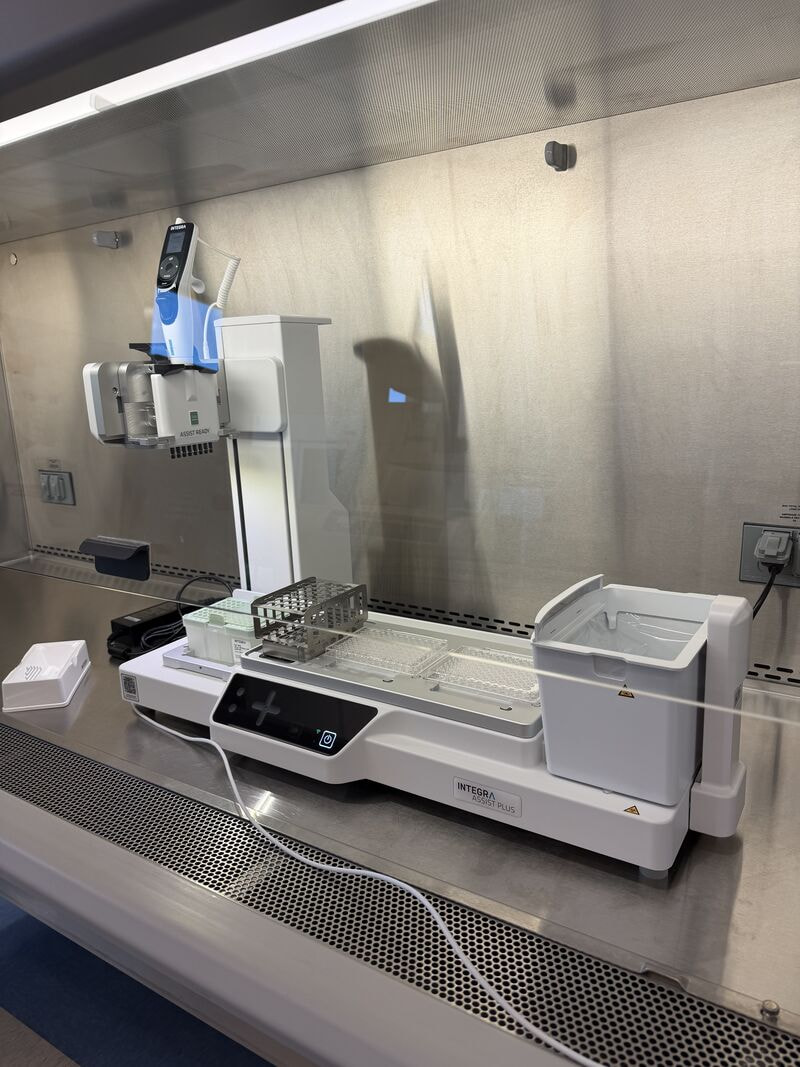
Otherwise, I recommend the Assist or Assist Plus for cherrypicking operations. The different Viaflo pipettes give it a wide volume range. Pic of the Assist Plus in a BSC for reference:
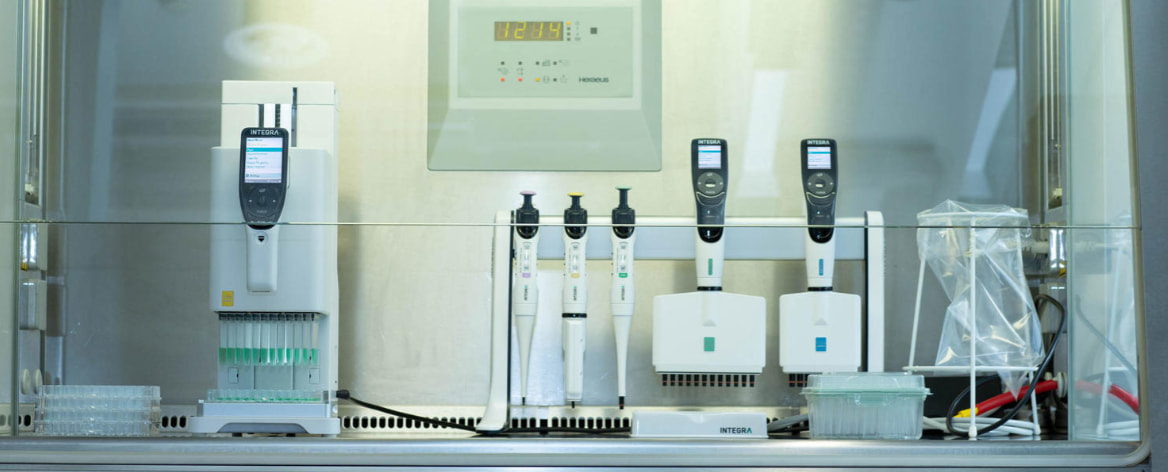
For stamping/reformatting, the Viaflo 96 or Mini 96 should work. The Viaflo 96 is larger but supports swapping pipetting heads, while the more compact Mini 96 is locked to one head per instrument. Pic of the Mini 96 in a BSC for reference.
1 Like
Strong second vote for the ASSIST Plus!
Especially with the addition of the D-One option a few years ago for hit-picking, rearray, and other single tip operations, the ASSIST plus has an incredible amount of flexibility for testing out what the first steps towards higher throughput automation could look like for a huge variety of workflows. It’s even light enough to be moved in and out of the hood if one day people need to use the space in the hood for full human activities, and the next day someone needs to do some automated work in the BSL2 environment. I’ve deployed the ASSIST Plus several times as a “first step into automation” in several situations where full Class 2 enclosure has been required, but the only option available in the lab was a standard biosafety cabinet that was not designed with any extra depth or height in mind for automation—the ASSIST Plus just fits perfectly. The original Opentrons fit in a standard BSC, but the OT2 doesn’t, a NIMBUS also needs a non-standard sized BSC—it doesn’t seem like any other automation vendor is interested in filling this need where a lab is transitioning manual work that must be done in a Class II enclosure towards a more automated process.
pyalab is an open source python library for generating Vialab programs to execute via the ASSIST Plus
4 Likes
Piggybacking on this, the Assist Plus supports a bunch of different Viaflo/Voyager pipettes with 4, 6, 8, or 12 channels so its compatible with 24, 96, and 384 well plates at whatever volume range OP needs. The Voyager line has configurable spacing so it’s ideal for reformatting from 24 to 96 to 384.
Those pipettes can also be used as regular electronic pipettes off-instrument which is pretty neat!
2 Likes
So, we’re based in Europe and Hamilton told me that due to EU law they cannot offer this version (without the panels all around) here, it’s only for US customers.. That was the deal breaker for us, since we need it in hood, otherwise the price, flexibility etc of the prep ticked all boxes. Same for the Nimbus series. Only sold in the USA, or USA HQ’ed companies with sites in Europe.
I’m quite surprised nobody has reccomended the OT-2? I did actually contact them and they said they can sell it without the plastic panels to us, so we can have it in the hood with good airflow all around the deck, so we’re seriously considering it. But is there a reason nobody here has reccomended it?
it may not be obvious, but purely reckless users can remove panels themselves
4 Likes
The OT-2 is a poor fit to your requirements, and the Flex is only slightly better due to the 96 head option. The 8-channels on Opentrons robots are fixed, so you’ll be cherry picking one tip at a time, and only able to process up to 8 wells at a time.
If you’re fine with slow cherry picking, a 96-head instrument (with offset tip pickup capabilities) such as the Bravo. A 96-head Flex would be slightly cheaper but probably not worth the savings.
Otherwise, an 8 channel with independent span and Z-axis is what you’re looking for. I don’t believe the Nimbus has this but the Prep does. There is also the Iprep 2 which just came out this year.
1 Like
Have you considered the Gilson Pipetmax 268. It’s available as a hoodless version for just this type of application. Designed to go into the hood sideways for best airflow over the tray. And the tray is removeable to allow for proper cleaning.
There are also 4 channel pipetting heads available with an 18 mm spacing (twice the spacing of a 96 well plate), which might help with some of your specific plate types.
2 Likes
Hi, thank you, that’s a good suggestion, I’ll need to check the dimentions.