Does anyone has experience automating electrochemiluminescence assay using MSD plates? I am particularly interested in the effect of not tapping the plates after washing. We face the challenge of aspirating as much as possible of the wash buffer, without damaging the electrodes at the bottom of the MSD plates. We know we have around 30 uL “left over volume” (tested by weighing before and after wash step). It would be great if some one already has experience in this topic. Thanks!
I don’t have experience working with MSD plates in particular, but I’ve used both Biotek (now Agilent) and Tecan Hydrospeed plate washers, and I’ve had good success removing volume completely without scratching the bottom working with ELISA workflows.
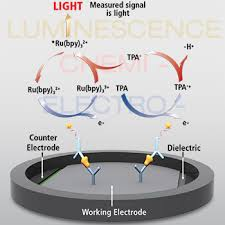
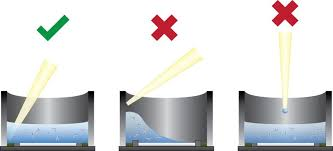
At least with both of these protocols, you can have multiple aspirations happen in a single wash protocol, where you tell it to aspirate at different parts of the well. You can have it aspirate most of the volume at the center of the well (at a safe position above the bottom of the working electrode), and then move to the side of the well to pick up the ring of liquid that is usually still there. You can repeat these side aspirations until there is no liquid remaining in the well. You can try to find the lowest safe z height of counter electrode and Dielectric electrode and safely pipette there. It looks like MSD wants you to pipette here:
There’s also options such as the BlueCatBio BlueWasher or Cytena C.Wash which evacuate liquid via centrifugal force. This is probably the closest way of automating flicking the plates manually. I don’t have experience with their use to be fair, so I can’t speak to how well they work. I do know that these are generally more expensive than a standard plate washer. This Link has multiple people discussing their general experience with plate washers.
Thank you. Using this MSD plate for automated workflows are tricky. Based on the lovely graphic you attach, MSD recommends to pipette on the side, which can be difficult to achieve with liquid handler e.g. Hamilton STAR line . Will take that into consideration on top of the potential excess of wash buffer left on the plate after washing. The MSD plates are black, so we are optimizing the Z-height blindly. I guess this wil required a lot of trail and error. Thanks again!
You can definitely pipette on the sides of the well (not diagonally but at least at the side of the well) using the Virtual Labware Library. You end up shifting the location of the sequences until you are pipetting on the edge of thew well, and then shift them back after pipetting is completed. If you search that on this forum, you will find quite a few examples!
 . Will take that into consideration on top of the potential excess of wash buffer left on the plate after washing. The MSD plates are black, so we are optimizing the Z-height blindly. I guess this wil required a lot of trail and error. Thanks again!